
Table of Contents
Understanding HWID Bans in Gaming
If you’ve ever been banned from an online game, you might have encountered different types of bans. While most players are familiar with account bans, there’s a more severe form of punishment that’s becoming increasingly common which is a HWID ban. This type of ban goes beyond simply blocking your gaming account as it targets your computer itself. Understanding how HWID bans work is essential for gamers who want to avoid permanent restrictions and for those curious about how developers protect their games from cheaters and rule-breakers.
What Does HWID Mean?
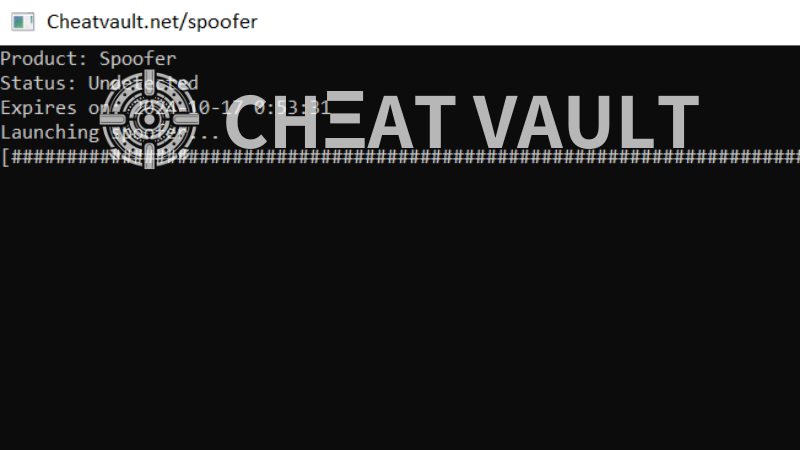
HWID stands for Hardware Identification (in other words Hardware ID). It’s a unique identifier assigned to your computer based on its physical components, such as your motherboard, processor, graphics card, and hard drive. Players can think of it as a digital fingerprint for their PC and computers do not have exactly the same HWID. When you connect to a game or online service, the system can read this hardware signature to identify your specific machine. Additionally, this identifier remains constant even if you change your username, create a new account, or reinstall the game.
How a HWID Ban Works
When a game developer issues a HWID ban, they add your computer’s unique hardware signature to a blacklist. Once this happens, the game will refuse to run on your machine, regardless of what account you use. Even if you create a brand new account with a different email address, the game will still detect your banned hardware and block access. The only ways to bypass a HWID ban are to replace major hardware components in your computer as an expensive option or use specialized software that masks your hardware ID (HWID Spoofer).
Why Game Developers Use HWID Bans
Developers implement HWID bans as a powerful deterrent against serious violations like cheating, hacking, or harassment. Regular account bans are easy to circumvent. For example a banned player can simply create a new account and continue their disruptive behavior. Hence, HWID bans solve this problem by making it significantly harder and more expensive for rule-breakers to return. This protects the gaming community and maintains a fair playing environment. Games with competitive scenes or valuable in-game economies, such as Valorant, Call of Duty, and Fortnite, frequently use HWID bans to combat cheaters.
Difference Between HWID Bans and Account Bans
The key difference between these ban species lies in scope and permanence. For example, account bans restrict access to a specific user account and you lose that particular profile, but you can create a new account and continue playing. However, HWID bans, block your entire computer from accessing the game and make it nearly impossible to return without significant effort or cost.
Account bans are typically used for moderate offenses like toxic behavior or minor rule violations, while HWID bans are reserved for severe infractions like using cheating software, account theft, or repeated serious violations. Simply, you can think of an account ban as being kicked out of a store, whereas a HWID ban is like having your face permanently recognized and denied entry no matter what name you give.
Why HWID Bans Are Considered So Dangerous
HWID bans are considered the most severe form of punishment in gaming because they’re nearly permanent and incredibly difficult to reverse. Unlike an account ban that affects only your profile, a HWID ban essentially locks you out of a game indefinitely. This can be particularly devastating if you’ve invested hundreds of dollars in cosmetics, battle passes, or in-game currency.
Even worse, some anti-cheat systems share HWID information across multiple games, meaning a ban in one title could potentially affect your ability to play other games using the same anti-cheat software. Additionally, for professional gamers or content creators who rely on gaming for income, a HWID ban can destroy their career and livelihood in an instant.
Can HWID Bans Be Removed or Bypassed?
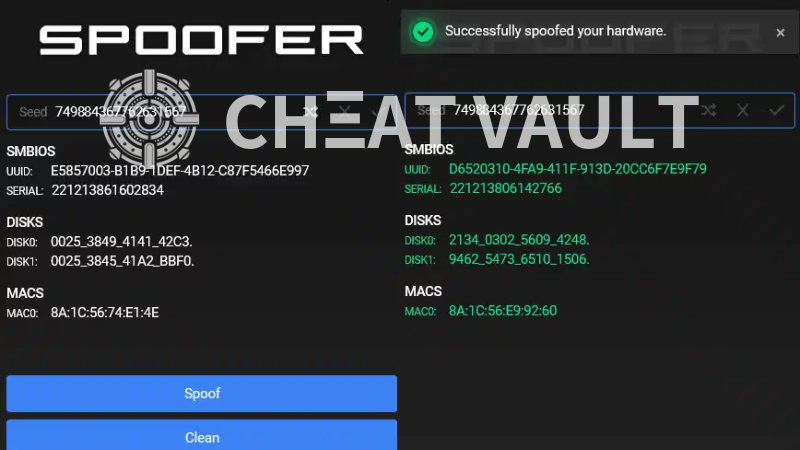
Removing a HWID ban is difficult, but not impossible. The legitimate route is to contact the game developer’s support team and appeal the ban, though success rates are very low and developers rarely overturn HWID bans unless there’s clear evidence of a mistake.
Some banned players also attempt hardware replacement by swapping out components like their motherboard or hard drive to change their hardware signature, but this is expensive and not always effective since modern anti-cheat systems track multiple components. There are also software tools called “HWID spoofers” that claim to mask or change your hardware ID.
Risks of Trying to Evade a HWID Ban
Attempting to bypass a HWID ban comes with serious dangers that often outweigh any potential benefits. Using free or cheap HWID spoofers or similar software can expose your computer to malware, viruses, or keyloggers, as many of these tools are distributed through untrustworthy sources.
Additionally, anti-cheat systems are constantly evolving to detect evasion attempts and what works today might get you caught tomorrow, resulting in an even more severe permanent ban that affects multiple games. For these reasons, you can choose the CheatVault address to avoid any game bans while playing the games comfortably.
The Long-Term Impact of HWID Bans on Gamers
The psychological and practical effects of a HWID ban can extend far beyond losing access to a single game. Many gamers experience significant frustration and regret, especially if the ban resulted from a momentary lapse in judgment, like testing cheats just once or sharing an account with someone who violated the rules. The financial loss is also substantial because of losing access to years of purchased content, battle passes, and rare items that may have cost hundreds or even thousands of dollars.
Conclusion: What HWID Bans Mean for the Future of Gaming
HWID bans represent a growing trend in how game developers maintain fair and competitive environments. As cheating tools become more sophisticated, we can expect to see HWID bans and similar hardware-based restrictions become even more common across the gaming industry. This technology helps protect honest players and preserves the integrity of competitive gaming, but it also raises important questions about proportionality, appeals processes, and the possibility of false positives.
For gamers, the takeaway is clear. The best way to avoid a HWID ban is to play by the rules, avoid third-party software that violates terms of service or use cheats from trusted providers like CheatVault.