Rust
Get more information about Rust Cheats
FAQs
What anti-cheat does Rust use?
Rust uses Easy Anti-Cheat (EAC), a kernel-level anti-cheat developed by Epic Games. EAC scans for cheat signatures, monitors memory access, and flags suspicious processes. It runs at system startup and stays active during your entire play session.
Are rust cheats actually undetected?
Some are, some are not. Detection status changes constantly as EAC updates its signatures. A cheat can be undetected today and flagged tomorrow. The key factor is how quickly the cheat developer pushes updates after each EAC patch.
How does a Rust aimbot work?
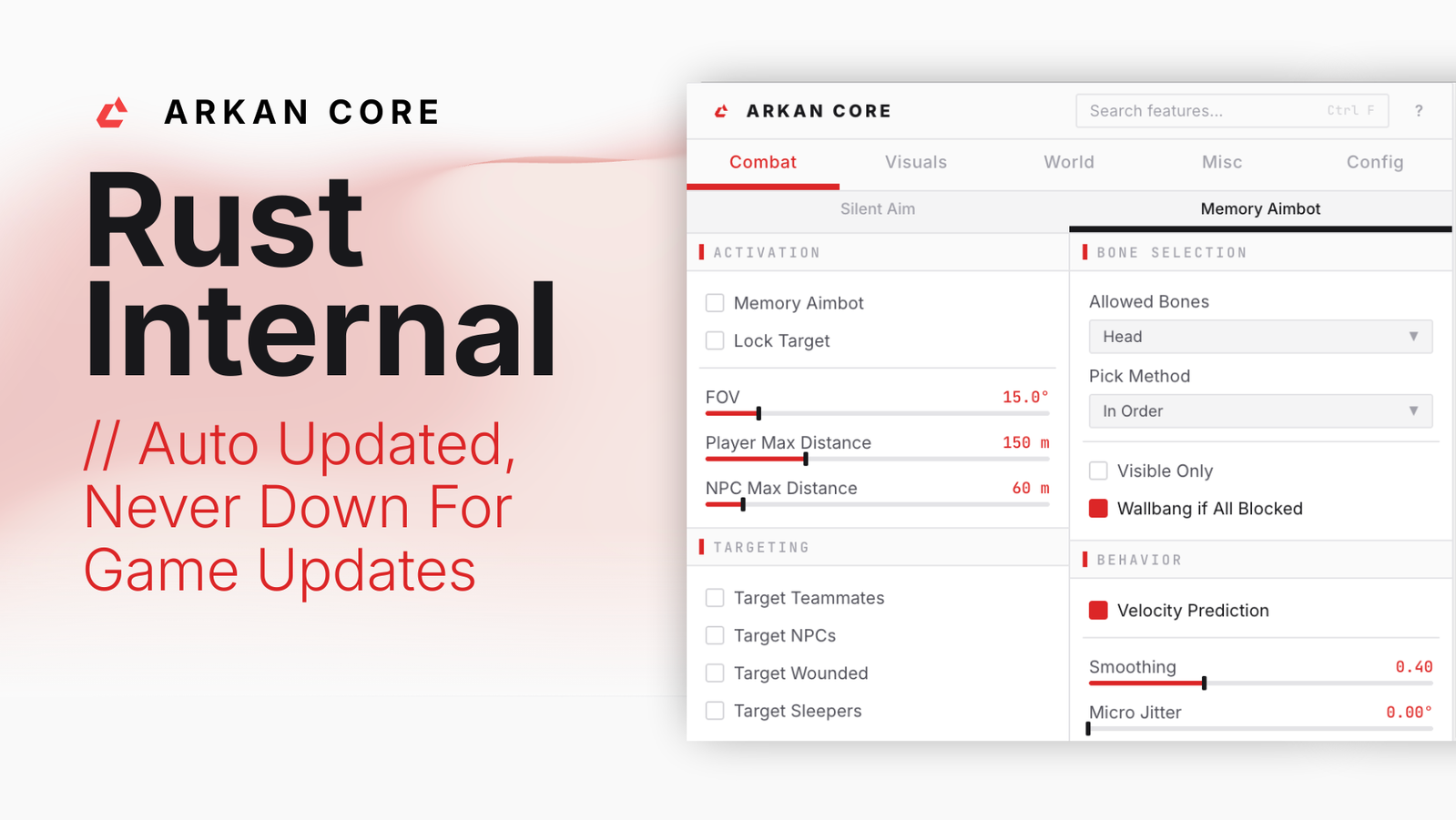
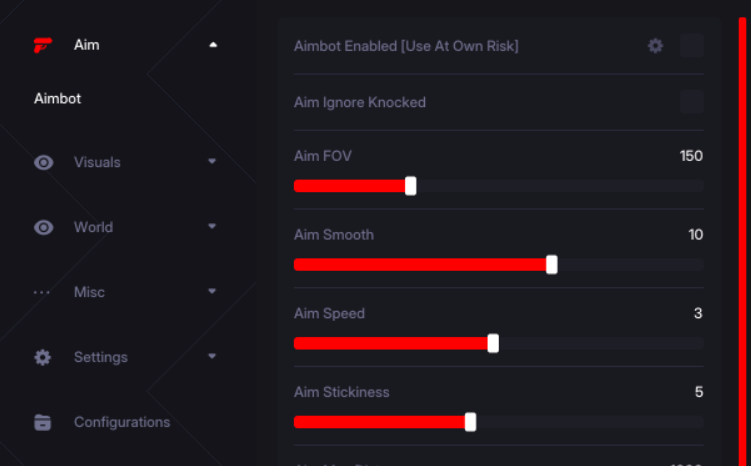
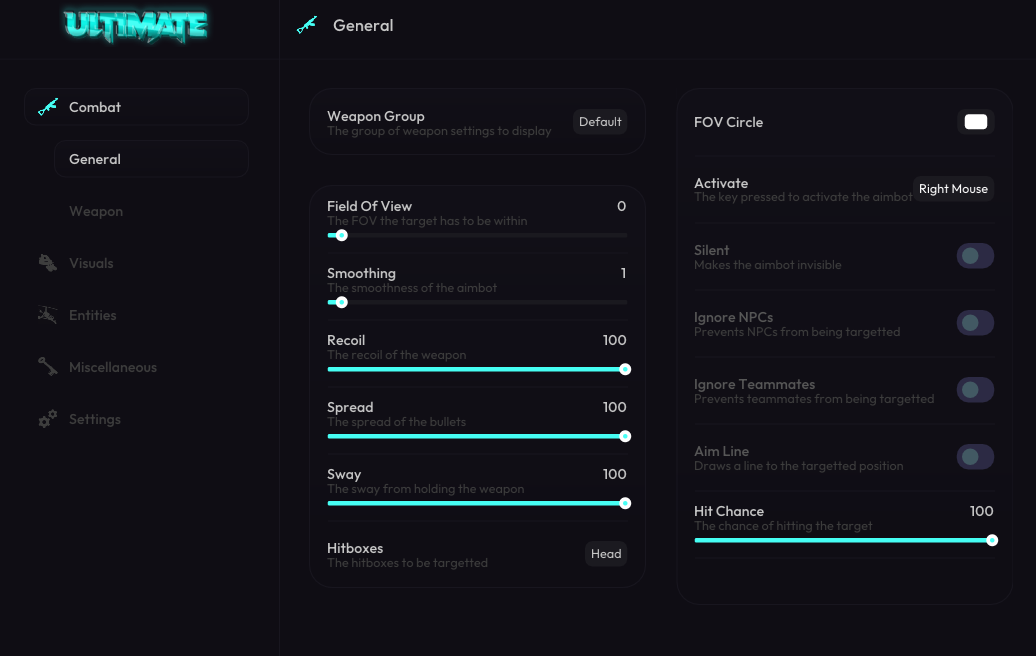
A Rust aimbot reads player position data from game memory and calculates the angle needed to place your crosshair on a selected bone (head, chest, etc.). It adjusts your mouse input automatically. Silent aim variants redirect bullet trajectories server-side without moving your visible crosshair.
What is the difference between ESP and wallhack?
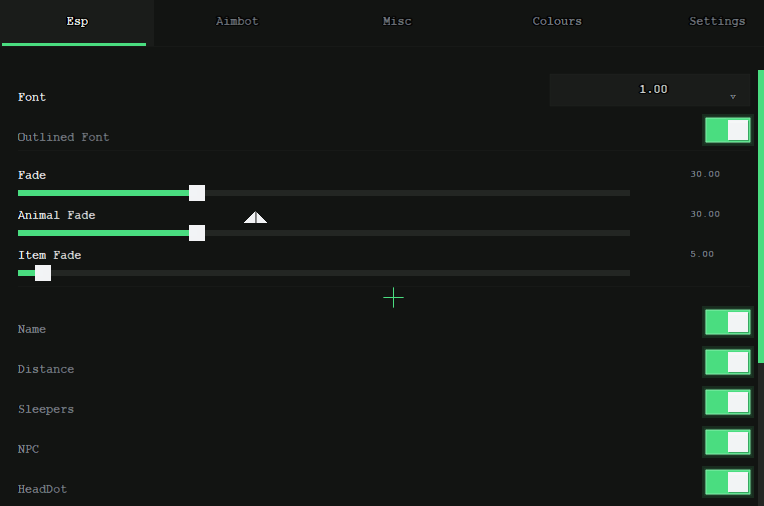
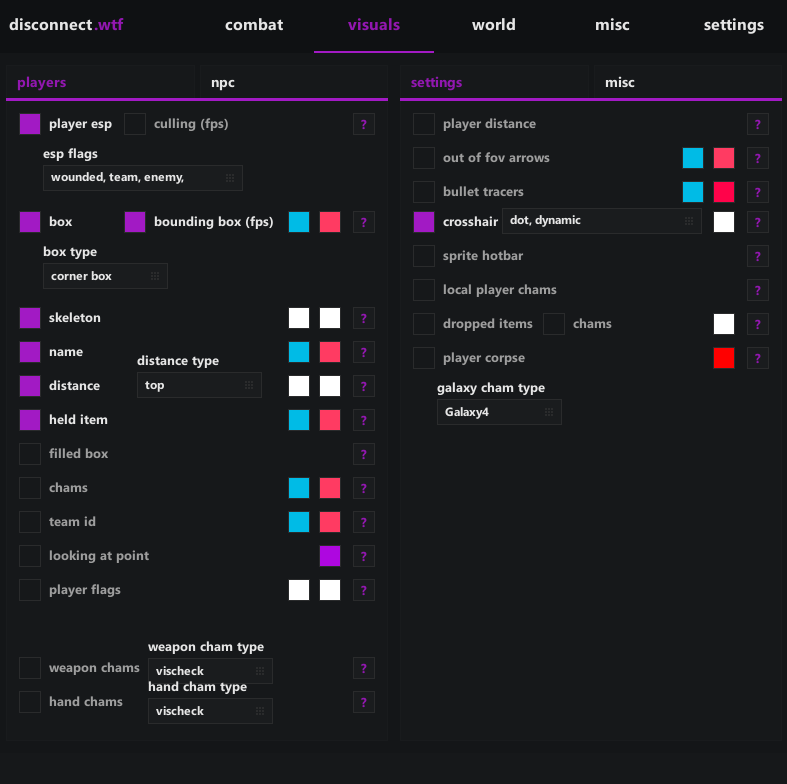
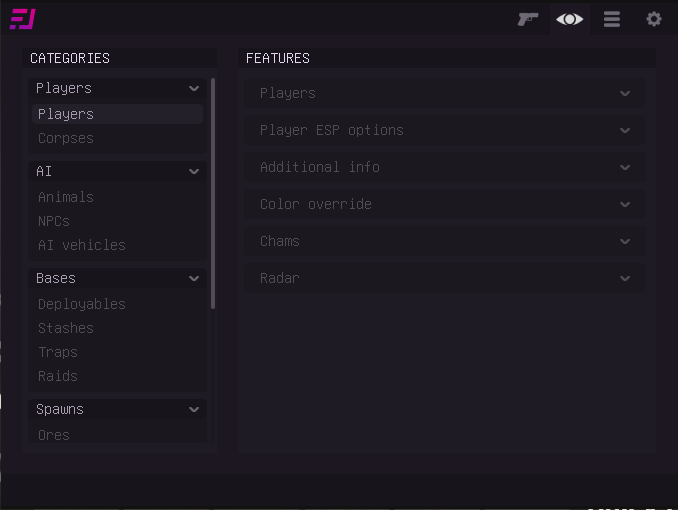
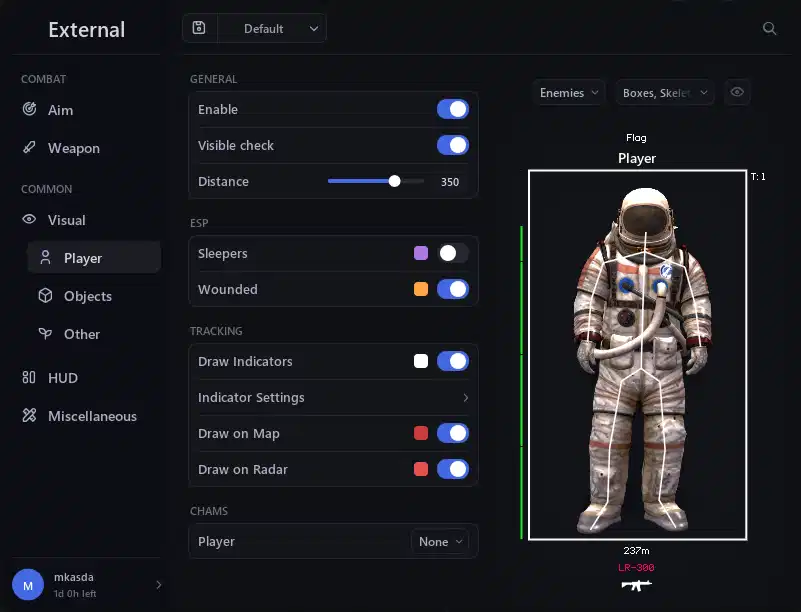
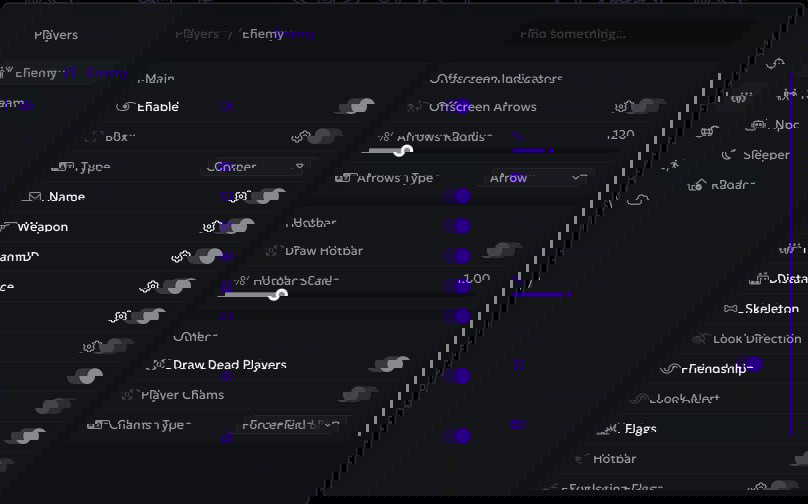
Wallhack shows player models through solid objects. ESP is broader—it overlays boxes, health bars, names, distances, loot locations, and more on your screen. In Rust, most providers bundle both under the ESP label since wallhack alone is limited compared to full ESP data.
Can rust scripts get you banned?
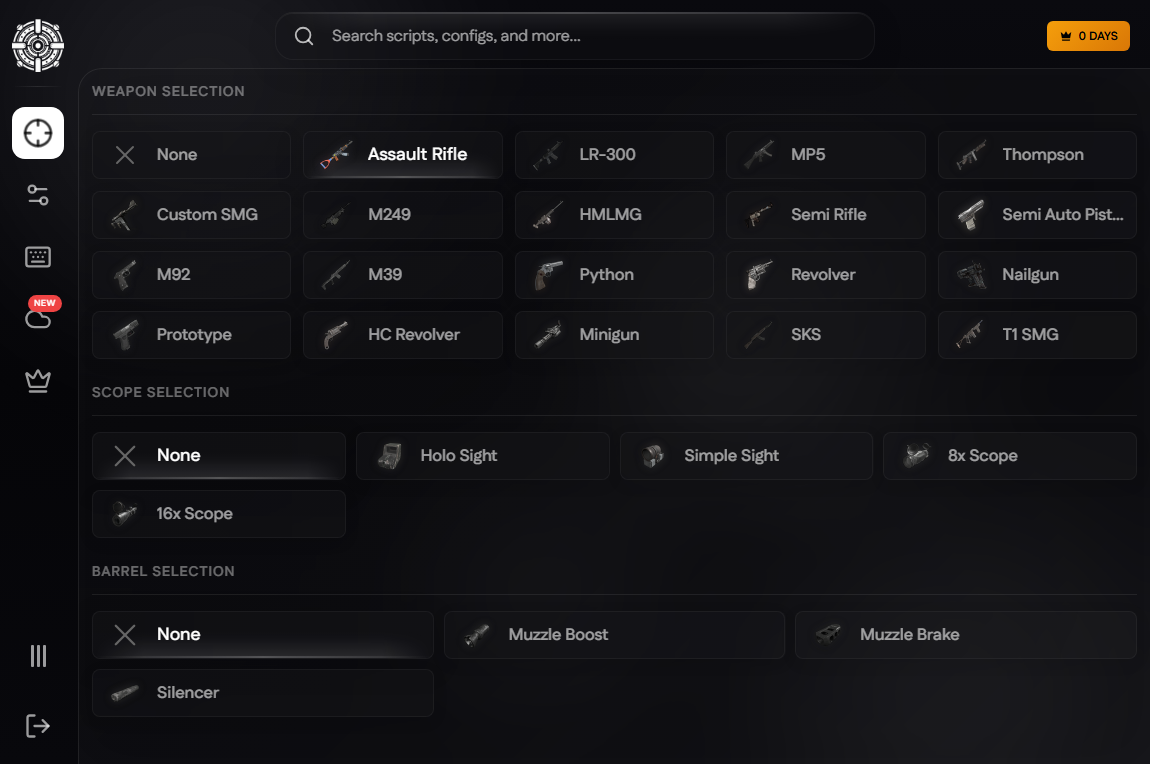
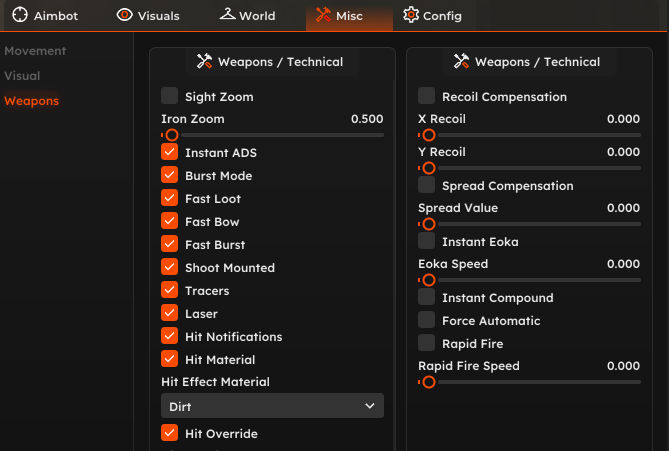
Yes. While recoil scripts do not inject into game memory the way traditional cheats do, EAC has improved at detecting mouse-input anomalies. External scripts that run through mouse software carry lower risk than internal ones, but no script is completely safe.
How much do rust cheats cost?
Prices range from free to over $100 per month. Free rust cheats exist but carry high detection risk and limited features. Paid subscriptions typically run $15–$50/month for standard packages and higher for premium features like DMA support or HWID spoofing.